The best cities to invest in Israeli real estate
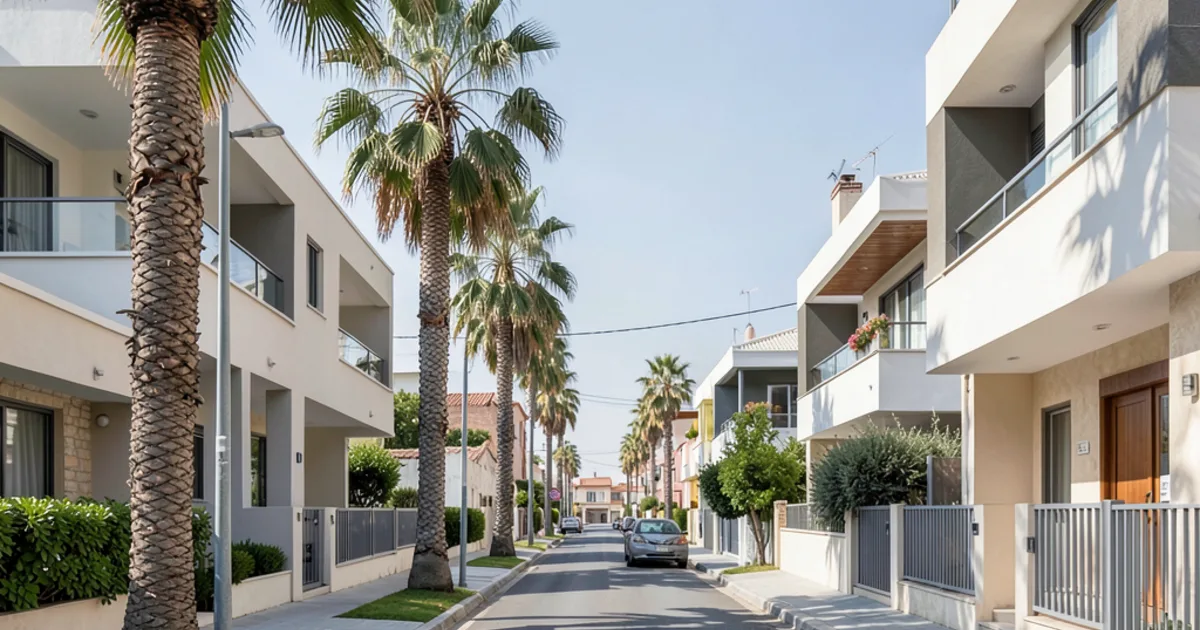
Investing in Israeli real estate represents a significant decision, particularly for members of the diaspora looking to strengthen their connection to the land or secure a robust financial future. This in-depth guide delves into the most promising urban centers across Israel, offering a nuanced perspective on their unique market dynamics, growth potential, and the practical considerations for foreign investors. From bustling metropolises to serene coastal towns, we explore the facets that make each location an attractive prospect for long-term value and potential returns.
Quick answer: The best cities to invest in Israeli real estate typically include Tel Aviv for high capital appreciation, Jerusalem for historical demand, and coastal cities like Netanya or Haifa for competitive entry prices. Investors prioritize locations based on proximity to economic hubs, rental demand, and long-term urban development projects.
- Why Invest in Israeli Real Estate?
- Tel Aviv: The Dynamic Urban Hub
- Jerusalem: A City of Enduring Appeal
- Haifa: The Northern Gateway to Opportunity
- Netanya: Coastal Charm and Growth Potential
- Be'er Sheva: The Developing Southern Hub
- Understanding Israeli Real Estate Regulations for Foreigners
- Key Considerations for Diaspora Investors
- Navigating the Purchase Process and Due Diligence
Why Invest in Israeli Real Estate?
Israel's real estate market has consistently demonstrated resilience and growth, driven by a strong economy, a burgeoning high-tech sector, and a continuous influx of immigration. For diaspora investors, the market offers not just financial returns but also a tangible link to their heritage and a sense of belonging. The demand for housing, both for rental and purchase, remains robust across various segments, fueled by demographic trends and a culture that values homeownership.
Beyond the emotional connection, the strategic geographical location and the nation's innovation-driven economy contribute to a stable investment climate. While market fluctuations are a natural part of any economy, Israel's long-term trajectory has shown a consistent upward trend, making it an attractive destination for capital preservation and appreciation. Understanding the underlying economic drivers and demographic shifts is crucial for making informed investment decisions.
Tel Aviv: The Dynamic Urban Hub
Tel Aviv, often dubbed the 'Startup Nation's' beating heart, is synonymous with innovation, culture, and a vibrant lifestyle. Its real estate market is characterized by high demand, premium pricing, and significant long-term appreciation potential. Properties here range from historic Bauhaus buildings to sleek modern high-rises, catering to a diverse clientele of young professionals, tech entrepreneurs, and international investors. The city's continuous development, including new transportation infrastructure and urban renewal projects, further solidifies its appeal.
Investment in Tel Aviv often targets both residential and commercial properties, with strong rental yields for well-located apartments. The city's allure as a global tech center ensures a steady stream of renters and buyers, making it a relatively secure, albeit high-entry-cost, investment. Areas undergoing revitalization, such as those south of the city center or along the burgeoning light rail routes, may offer opportunities for future value growth.
Jerusalem: A City of Enduring Appeal
Jerusalem, with its profound historical and spiritual significance, offers a unique real estate market distinct from Tel Aviv. Demand is driven by both religious and secular populations, as well as a significant portion of international buyers seeking a connection to the city's heritage. The market here is characterized by a blend of historic properties, often subject to strict preservation regulations, and new developments catering to modern living standards. Its status as a global pilgrimage site and a center for higher education ensures a consistent stream of residents and visitors.
Investing in Jerusalem can provide both capital appreciation and potential rental income, particularly from properties appealing to religious communities or those seeking short-term rentals for tourists. Neighborhoods popular with diaspora communities or those close to major religious and historical sites tend to hold their value well. Understanding the specific zoning laws and the cultural nuances of different areas is paramount for successful investment in this deeply layered city.
Haifa: The Northern Gateway to Opportunity
Haifa, Israel's third-largest city, presents a compelling alternative to the more expensive markets of Tel Aviv and Jerusalem. As a major port city and an important academic and industrial center, Haifa boasts a diverse economy and a growing population. Its real estate market offers more accessible entry points for investors, with a range of properties from historic homes on Mount Carmel to modern apartments overlooking the Mediterranean. The presence of leading universities and a thriving tech ecosystem ensures a steady demand for rental properties.
The city's ongoing urban renewal projects, including the development of its lower city and port area, are transforming Haifa into an increasingly attractive place to live and invest. Investors might find strong potential in properties catering to students, young families, and professionals working in the city's industrial or high-tech parks. Haifa's unique topography, with its terraced neighborhoods, also offers many properties with stunning views, adding to their appeal.
Netanya: Coastal Charm and Growth Potential
Netanya, a vibrant coastal city situated between Tel Aviv and Haifa, has emerged as a particularly attractive destination for diaspora investors, especially those from French-speaking countries. Its beautiful beaches, lively promenade, and growing infrastructure have made it a popular choice for both permanent residency and holiday homes. The city has experienced significant development in recent years, with numerous new residential projects reshaping its skyline and offering modern living options.
The real estate market in Netanya offers a good balance of affordability compared to Tel Aviv, coupled with strong growth prospects due to ongoing urban development and increasing demand. Properties with sea views or those located close to the city center and amenities tend to be highly sought after. Netanya's appeal as a vacation destination also opens up opportunities for short-term rental income, making it a versatile investment choice.
Be'er Sheva: The Developing Southern Hub
Be'er Sheva, often referred to as the 'Capital of the Negev,' is a city undergoing rapid transformation and significant government investment. As a major educational and technological hub, particularly with Ben-Gurion University of the Negev and the burgeoning cyber-security industry, it attracts a young and dynamic population. The city's strategic importance and continued development make it a fascinating prospect for long-term investors seeking higher potential yields at a lower entry cost compared to central Israel.
The real estate market in Be'er Sheva is characterized by more affordable property prices and a strong rental market driven by students and professionals. Investment opportunities can be found in new residential projects, particularly those catering to the university community or the expanding tech parks. While perceived as more peripheral, the substantial government backing and vision for the city's future suggest considerable growth potential for patient investors.
Understanding Israeli Real Estate Regulations for Foreigners
Foreign investment in Israeli real estate is generally welcomed, but it's crucial to navigate the specific legal and financial frameworks. Non-residents can purchase property, though they may face different tax implications compared to Israeli citizens. Key taxes include the Purchase Tax (Mas Rekhisha), which varies based on the buyer's residency status and the property's value, and Capital Gains Tax upon sale. It is imperative to consult with a qualified Israeli real estate lawyer and tax advisor to understand these obligations fully.
Financing options, such as mortgages (Mashkanta), are available to foreign investors, though terms and conditions may differ from those offered to residents. It's advisable to engage with Israeli banks early in the process to understand eligibility and secure favorable rates. Additionally, currency exchange fluctuations can impact the overall cost and return on investment, so careful financial planning is essential. Due diligence, including checking the Tabu (land registry) for property ownership and encumbrances, is a non-negotiable step in any acquisition.
Key Considerations for Diaspora Investors
For diaspora investors, several unique factors come into play. Proximity to family, community ties, and access to specific religious or cultural amenities often influence location choices. Understanding the local culture and community dynamics of a neighborhood can be as important as financial metrics. Many investors also consider the potential for future Aliyah (immigration to Israel) when selecting a property, looking for a home that could serve as a primary residence down the line.
Managing a property from abroad requires reliable local support. This includes engaging reputable property management companies, legal counsel, and real estate agents who specialize in working with international clients. Establishing clear communication channels and understanding the nuances of the Israeli rental market, including tenant rights and responsibilities, are vital for a smooth investment experience. Building a trusted local team is paramount for success.
Navigating the Purchase Process and Due Diligence
The real estate purchase process in Israel involves several distinct stages, beginning with finding a property and negotiating terms. Once an agreement is reached, a preliminary memorandum of understanding (Zichron Devarim) may be signed, followed by a formal purchase agreement drafted by legal counsel. This agreement will detail all terms, conditions, payment schedules, and responsibilities of both parties. It is crucial that your lawyer conducts thorough due diligence on the property, including verifying ownership in the Tabu (Land Registry) and checking for any liens, mortgages, or building violations.
Financial aspects, such as securing a mortgage (Mashkanta) and understanding the various taxes (like Mas Rekhisha and Mas Shevach, capital gains tax), are integral to the process. Payments are typically made in installments, with the final payment often coinciding with the transfer of ownership at the Tabu. Engaging an experienced and trustworthy real estate agent who understands the specific needs of international buyers can streamline this complex process, providing invaluable guidance from property search to final closing.
Vos questions, nos réponses.
What are the typical tax implications for a foreign investor purchasing real estate in Israel?
Foreign investors purchasing real estate in Israel are subject to various taxes, primarily Purchase Tax (Mas Rekhisha) and Capital Gains Tax (Mas Shevach) upon sale. The Mas Rekhisha rate for non-residents is generally higher than for Israeli citizens and can vary significantly based on the property's value and whether it's the buyer's sole property in Israel. Capital Gains Tax is levied on the profit made from the sale of a property, with specific exemptions and rates that can depend on how long the property was held and other factors. It is absolutely essential to consult with an Israeli tax attorney and accountant to understand the precise tax obligations applicable to your specific situation, as laws and regulations can change and individual circumstances vary.
Is it possible for a non-resident to obtain a mortgage (Mashkanta) in Israel, and what are the general requirements?
Yes, it is generally possible for non-residents to obtain a mortgage (Mashkanta) from Israeli banks to finance real estate purchases. However, the requirements and terms may differ from those offered to Israeli citizens. Banks typically require a higher down payment from foreign investors, often ranging from a significant percentage of the property's value. Lenders will assess the applicant's financial stability, income source, and credit history, often requesting documentation from their country of residence. It's advisable to begin the mortgage application process early and consult with several Israeli banks or a mortgage broker specializing in foreign clients to compare offers and understand all conditions, including interest rates and repayment schedules.
What kind of local support system should a diaspora investor establish when buying property in Israel?
Establishing a robust local support system is crucial for diaspora investors to ensure a smooth and secure investment. This team should ideally include an experienced Israeli real estate lawyer who specializes in working with international clients, a reputable real estate agent with a deep understanding of the target market, and a knowledgeable tax advisor or accountant. Additionally, for properties intended for rental, engaging a trustworthy property management company is highly recommended to handle tenant relations, maintenance, and administrative tasks. Having a local contact person or a trusted friend/family member on the ground can also be invaluable for overseeing various aspects of the investment.
How does the Israeli land registry system (Tabu) work, and why is it important for foreign buyers?
The Tabu, officially known as the Land Registration Office, is Israel's central land registry system and is of paramount importance for all real estate transactions, especially for foreign buyers. It serves as the official record of property ownership, liens, mortgages, easements, and any other encumbrances on a property. Before purchasing any property, your Israeli real estate lawyer will conduct a thorough search in the Tabu to verify that the seller is the legal owner, that there are no undisclosed debts or claims against the property, and that the property's description matches the physical reality and any building permits. This due diligence ensures that you are acquiring clear title to the property and protects you from potential legal issues or financial liabilities. Without a clear Tabu registration, the transfer of ownership is not legally complete.
Recevez votre sélection personnalisée
Biens et infos à jour, directement par email, gratuit et sans engagement.
Recevoir ma sélection →